AxisOS™ · Hardware Prototypes & Open-Source Build Packages

Kits & Hardware Roadmap.

Available today: open-source AxisOS™ firmware, flasher, and viewer repositories you can clone and flash onto your own boards. Planned / in bench validation: custom pre-flashed Micro-Enterprise Hardware Kits and Inline USB Pass-Through Outposts currently undergoing workshop burn-in testing (custom inquiries welcome).

Open-Source Repos: Available Now Hardware Kits: In Bench Validation (Planned) Air-Gap Architecture GitHub (@mcrusan)

Planned Custom Hardware Build · Active Bench Validation

AxisOS™ Micro-Enterprise Hardware Kit (Prototype)

PLANNED · IN BENCH BURN-IN

Our multi-node micro-enterprise reference kit is currently undergoing active burn-in validation on our Oregon Coast workbench. Rather than listing unready hardware as in-stock retail inventory, we assemble custom pilot builds selectively by direct arrangement while public software tools remain open on GitHub.
Reference Hardware Bill of Materials (Planned Pack)

Target reference topology being validated in the workshop for multi-node local Quad deployments:

  • ▲ 1× Raspberry Pi 4 Model B: Primary compute & core node. Hosts Agent Zero supervision, local comms switchboard, and storage subsystem.
  • ◆ 1× Raspberry Pi Zero: Compact gateway & ingress router. Provides low-power edge filtering, remote comms relay, and hardware watchdog.
  • ■ 5× Raspberry Pi Pico (RP2040 / RP2350): Dual-core microcontrollers running bare-metal C Lite nodes for sensor polling and physical I/O.
  • ● 2× Inline USB Pass-Through AI Outpost Prototypes (ESP32-S3): Male-to-Female 5V USB pass-through nodes with 160×80 Color TFT HUDs, 2.4 GHz Wi-Fi mesh, UDP :50000 telemetry, and local HTTP/JSON agent endpoints inside the connector.
✉ AVAILABILITY & DIRECT WORKSHOP SUPPORT

Hardware kits are planned custom builds assembled by direct inquiry (not off-the-shelf stock). Support is handled directly by our Oregon Coast workshop via email (marc@crusan.net) during studio hours—no automated ticket bots and no overstated 24/7 hotline promises.

AVAILABILITY
Planned · Custom Inquiry Only
Quoted per custom build based on component availability
Inquire About Custom Build →
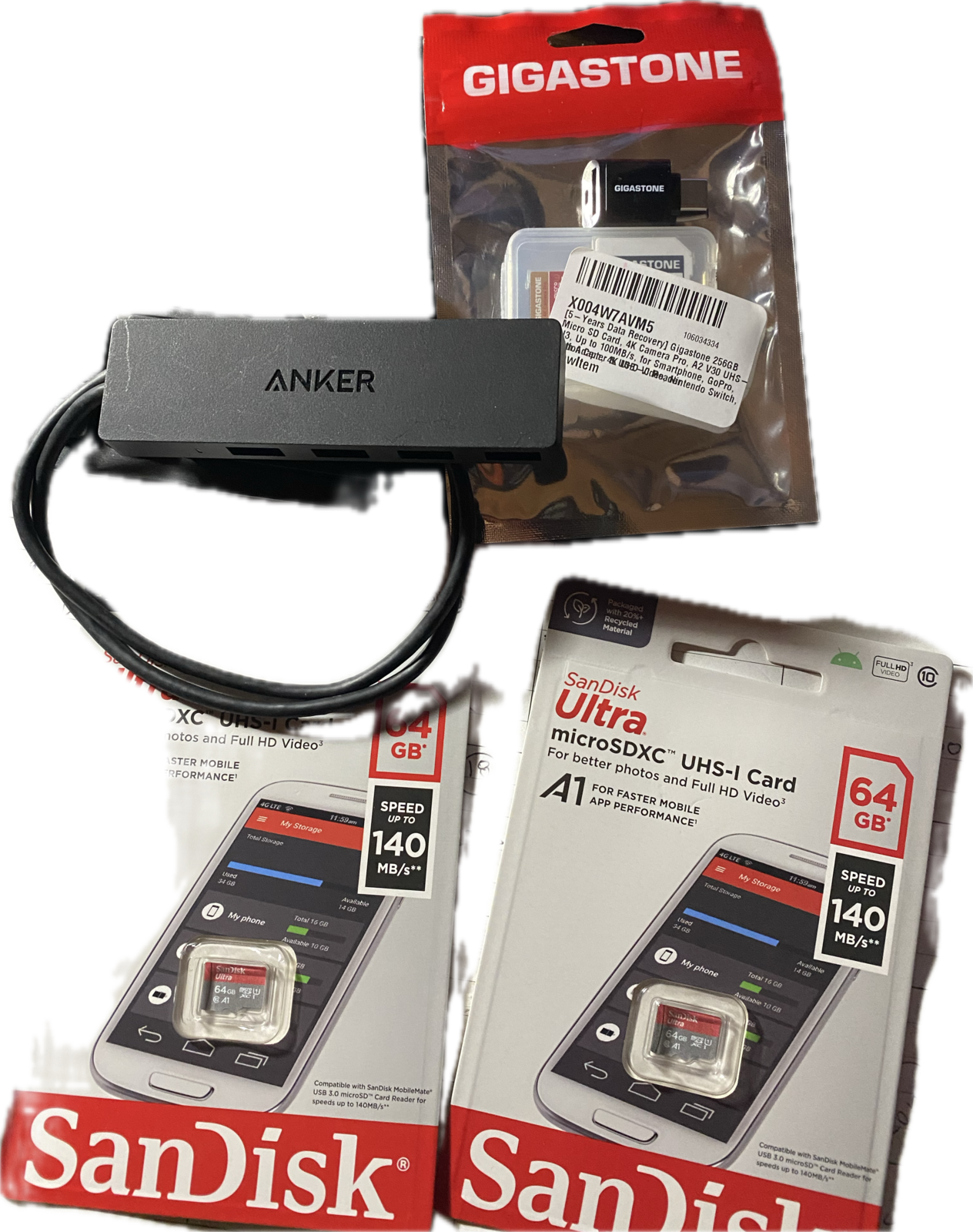
AxisOS Hardware Kit Prototype Components
WORKSHOP PROTOTYPE STAGING

SanDisk storage, Anker USB distribution, checksum-verified firmware builds, and full local operator ownership.

⚙

Bench Burn-In Validation

Every custom prototype node undergoes multi-hour thermal, USB power-rail, and RAM-boot burn-in verification on our shop bench before release.

△

Modular Quad Topology

Compute, telemetry, and local services working together: the Pi 4 hosts Zero and the local switchboard, while Pico and ESP32 micro-nodes handle edge telemetry.

◆

Direct Founder Contact

No chat bots or outsourced call centers. Custom build inquiries and technical questions are answered personally by our Oregon Coast studio via email.

Workshop Lab Hardware

Ground Truth: Active Bench Prototypes

WORKSHOP LAB SILICON

Every node shown below is real hardware running on our Oregon Coast workbench during active R&D and validation (commercial kit packaging planned):

AxisOS Inline USB Pass-Through Embedded AI Outpost — Full Hardware View FULL INLINE USB PASS-THROUGH VIEW
AxisOS Inline USB Pass-Through — Auto-Cropped 160x80 TFT Sovereign House HUD & Embedded AI Core AUTO-CROPPED CLOSE-UP · 160×80 TFT AI HUD
● WORKSHOP PROTOTYPE · ZERO USB PORT LOSS PLANNED · IN R&D VALIDATION

AxisOS™ Inline USB Pass-Through AI Outpost Prototype (E10–E23)

Active workshop hardware prototype: a thumb-sized, male-to-female inline USB-A pass-through that sits between a host USB port (or wall power block) and downstream drives, keyboards, or hubs—passing 5V USB power through while running local HTTP/JSON agent endpoints, 2.4 GHz Wi-Fi mesh discovery, and a live Color TFT HUD inside the connector.

  • ▶ True Male-to-Female 5V USB Pass-Through: Never sacrifice a scarce Raspberry Pi or workstation USB port. Plug the outpost inline and plug your drive, keyboard, or hub right into its female tail.
  • ▶ Embedded Sovereign Seven AIs (:80, :8080–:8084): Dual-core 240 MHz Xtensa LX7 (ESP32-S3, 16 MB Flash) serves independent HTTP & JSON APIs for Lite (:8080), Zero (:8081), Axis-Agent (:8082), Axel / Torq (:8083), and Medona (:8084) right on silicon.
  • ▶ 2.4 GHz Wi-Fi Mesh, UDP :50000 & Auto-OTA: Dual-SSID automatic failover, 5-second UDP :50000 mesh heartbeat ([💃🍪🕺]), Shop-LAN Air-Gap enforcement (0 cloud leakage), and zero-touch COME-AND-GET-IT wireless firmware updates.
  • ▶ Live 160×80 Color TFT Sovereign House HUD: Pixel-rendered status house with animated chimney smoke, live 7-AI health indicators, IP/mesh ticker, and tactile GPIO0 page-cycle button.
Board: ESP32-S3-NM-USB-CHAIN-V1 · FW: v1.8.0-Silicon
Inquire About Prototype →
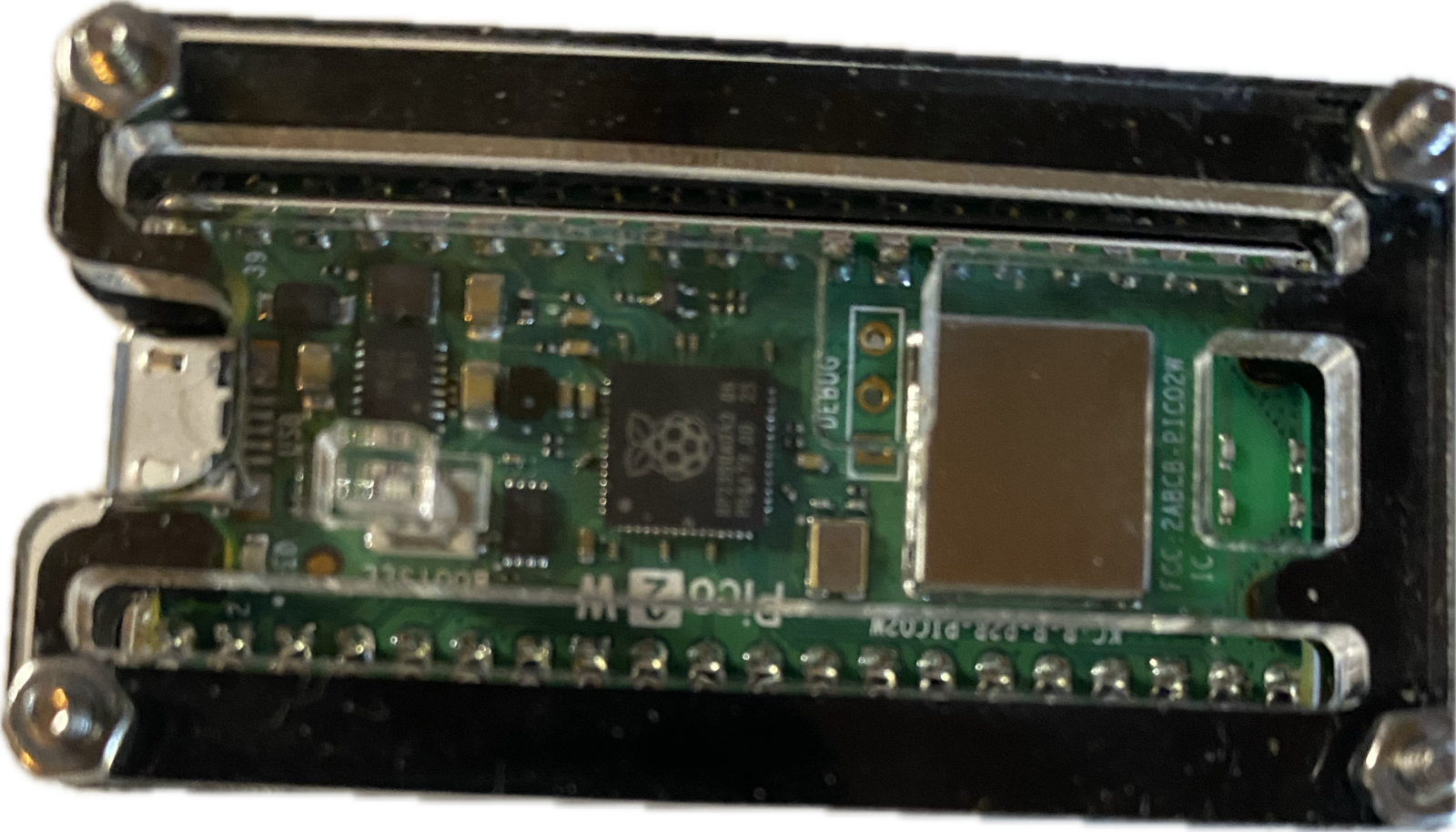
AxisOS Node 001 Raspberry Pi Pico 2 W HISTORIC MILESTONE
● SHOP LAB DEPLOYMENT · RP2350

AxisOS™ Node 001 — Pico 2 W (RP2350)

Dual-core Arm Cortex-M33 running bare-metal C firmware. Features dedicated lwIP HTTP micro-daemon on port 80, UDP :50000 mesh discovery beacon, and custom acrylic bench case.

iSerial: 713CC4CC9DEDE9F3 · Bench Reference
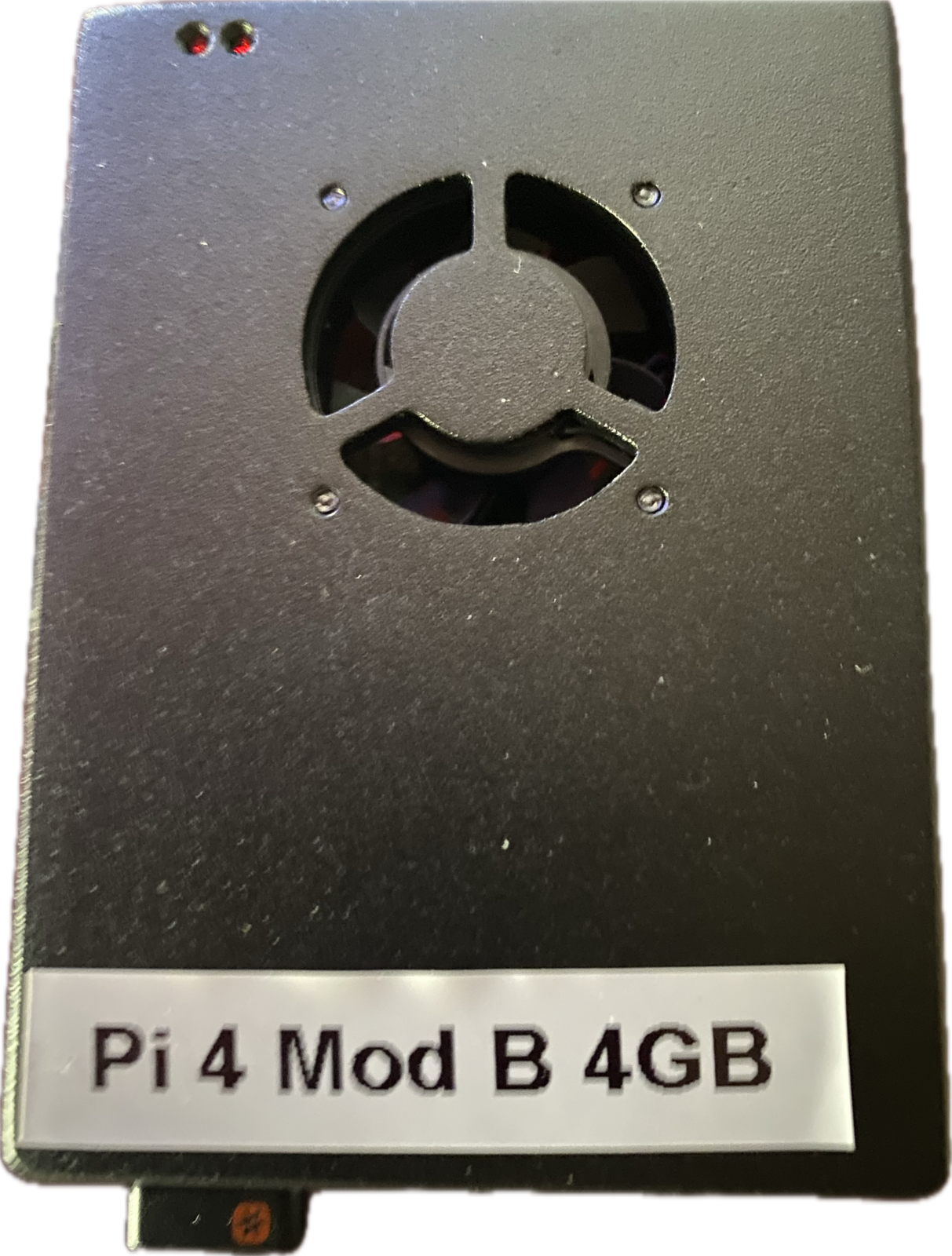
Raspberry Pi 4 Model B 4GB Labeled Enclosure
CORE SUPERVISOR NODE

Raspberry Pi 4 Model B (4GB)

All-metal chassis with active cooling fan. Primary bare-metal RAM-boot testbed hosting Agent Zero supervision, local switchboard, and storage interface.

Active Fan Cooling · Quad-Core Cortex-A72
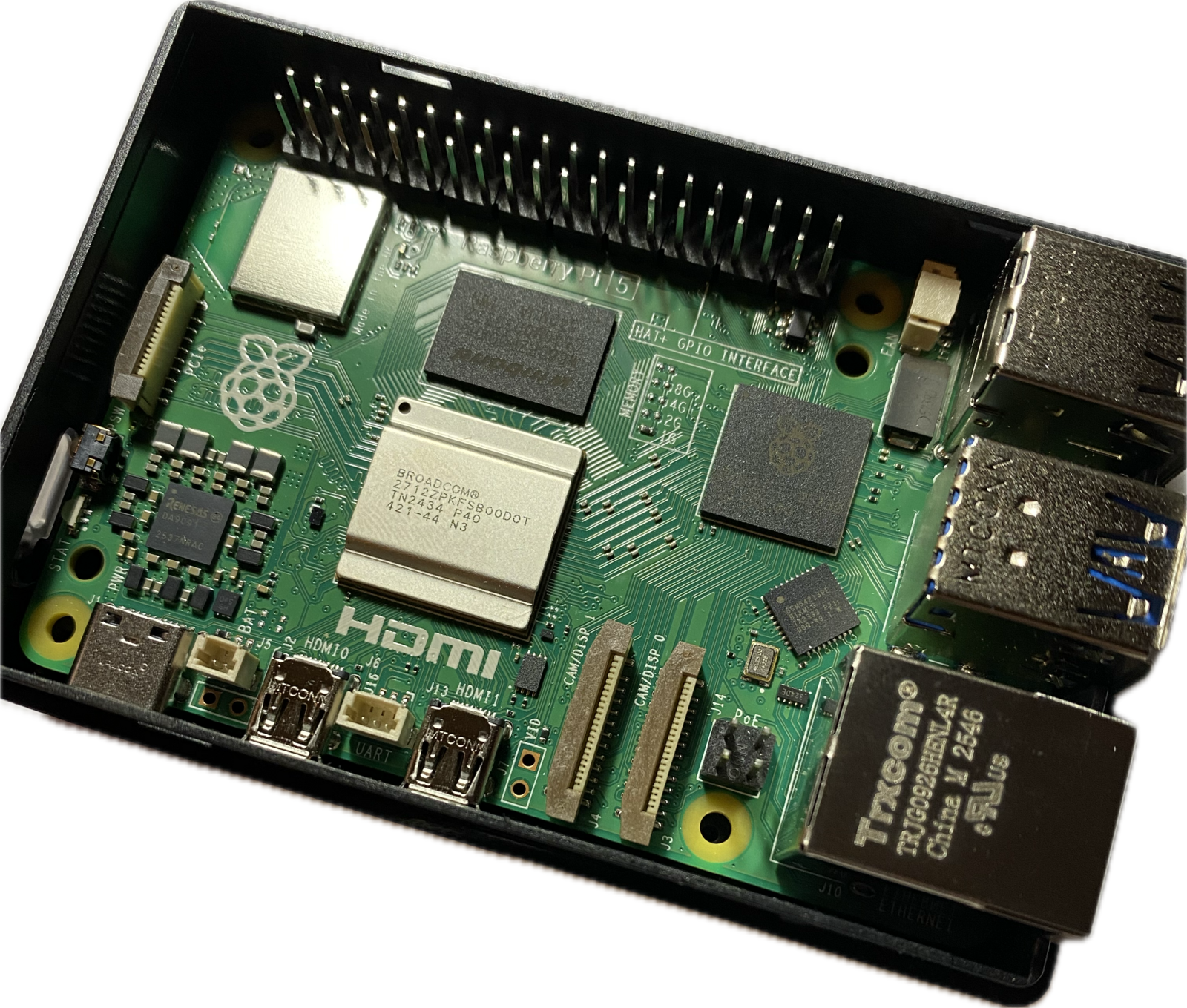
Raspberry Pi 5 Compute Node
PLANNED COMPUTE TARGET

Raspberry Pi 5 Compute Node

Broadcom BCM2712 quad-core Cortex-A76 with RP1 I/O controller, evaluated in the workshop for higher-memory local model and multi-agent workloads.

PCIe Gen 2 Ingress · LPDDR4X Memory
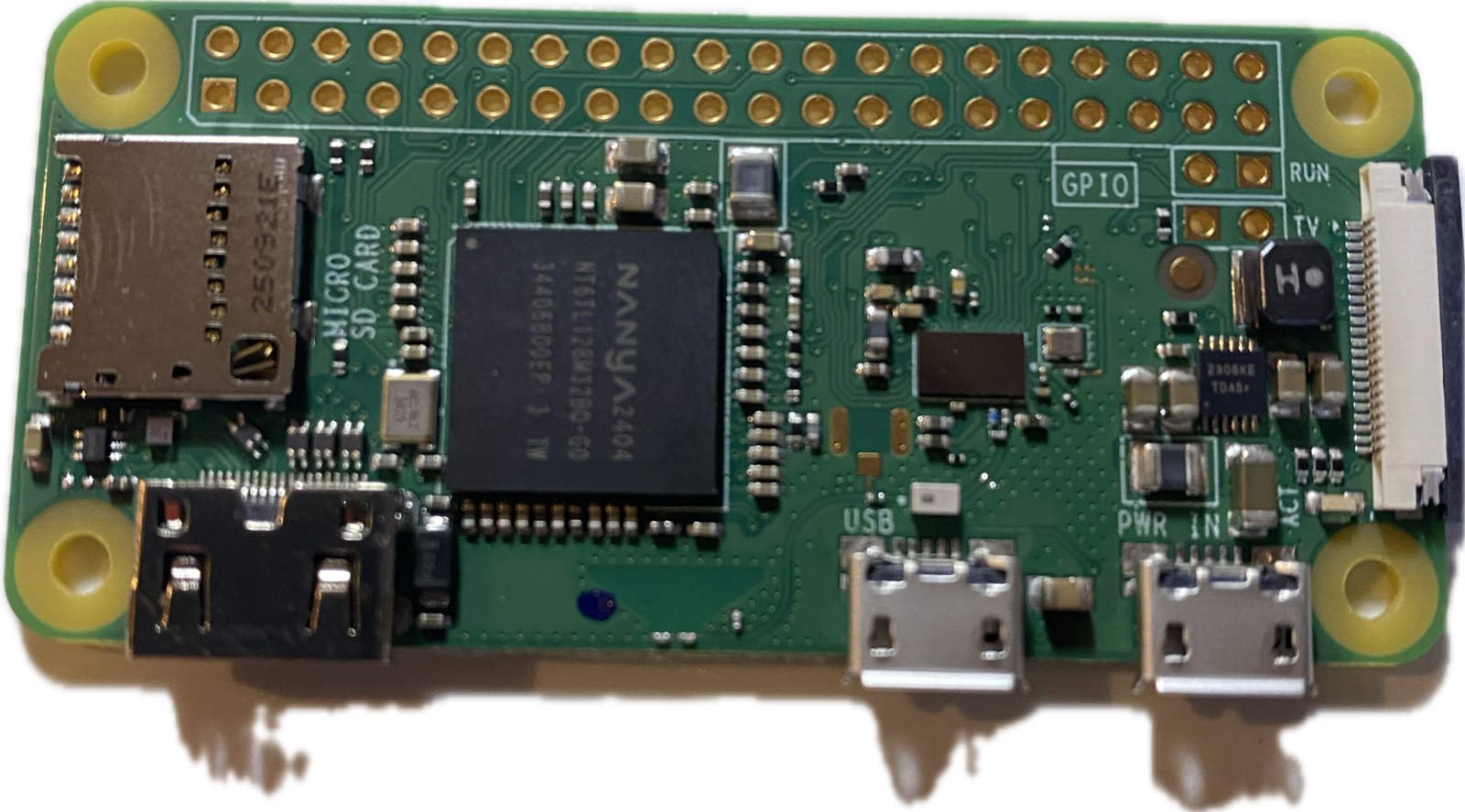
Raspberry Pi Zero 2 W Board
EDGE INGRESS GATEWAY

Raspberry Pi Zero 2 W

Compact quad-core edge relay evaluated for low-power ingress routing, local watchdog monitoring, and lightweight mesh bridging.

Low-Power Edge Relay · SiP Packaging
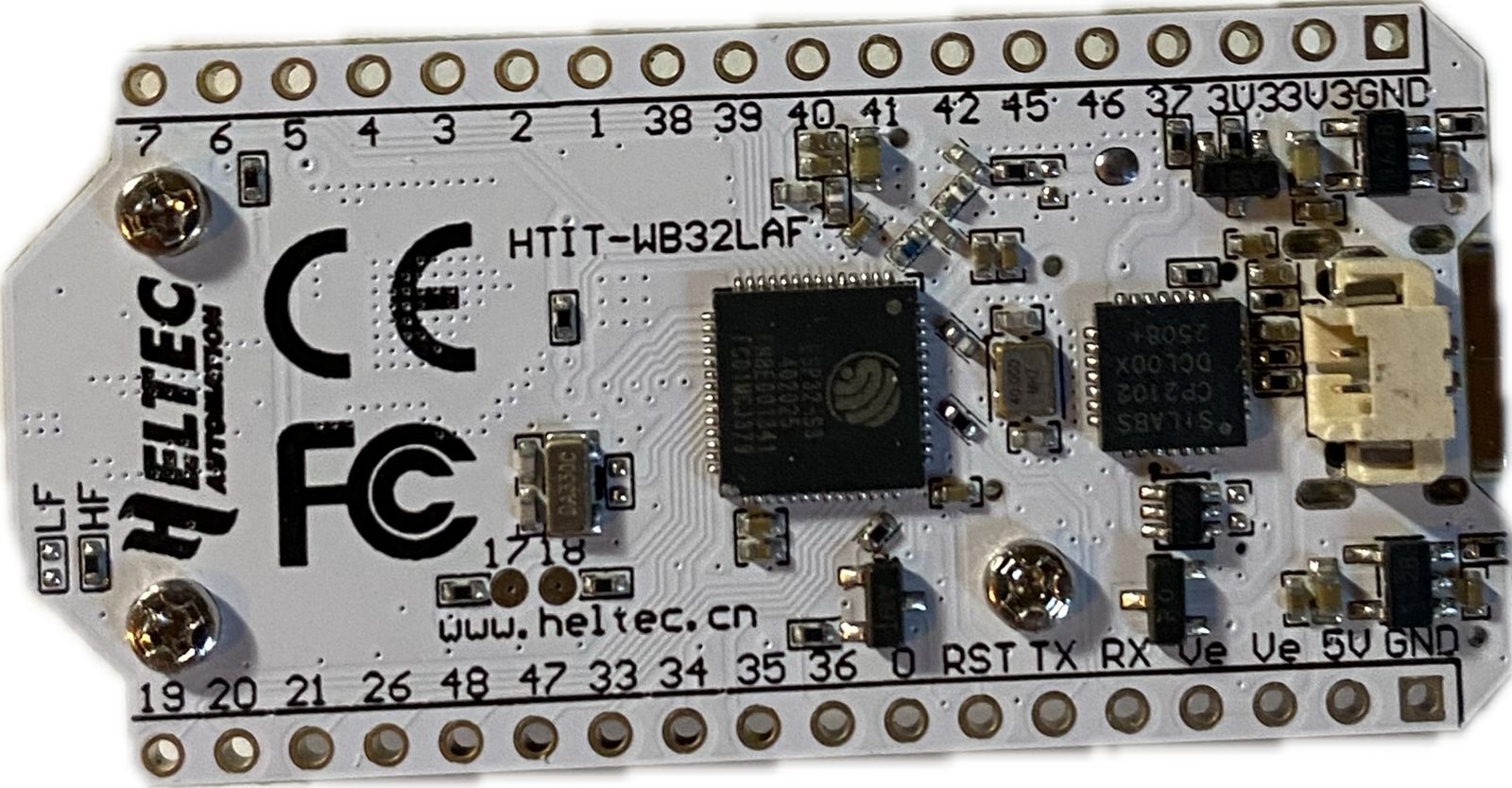
Heltec LoRa ESP32 Telemetry Node
OFF-GRID TELEMETRY PROTOTYPE

Heltec LoRa ESP32 Node

Sub-GHz LoRa radio paired with an onboard OLED diagnostics display, tested in the workshop for local off-grid status telemetry without internet dependence.

915MHz Radio · Dual-Core Xtensa · Integrated OLED
PiSugar S Battery Power Module
BATTERY BACKUP & E-PAPER

PiSugar S Power & e-Paper Modules

I2C battery management module for portable bench operation and brownout handling, paired with reflective e-Paper displays for low-power status readouts.

I2C Telemetry · Portable Power Module

Shipping Today · Core Repositories

Open Source Build Packages (Available Now)

AVAILABLE ON GITHUB

Prefer building your own nodes from bare boards today? Our public AxisOS™ repositories are live on GitHub right now.

The base firmware layer for AxisOS-compatible hardware. Operator-tuned defaults, zero-trust boot sequence, and deterministic bare-metal syscalls built in from first flash.
C Embedded Zero-Trust Boot
View on GitHub →
The flash and provisioning utility for AxisOS™ media. Detects target drives, verifies SHA-256 checksums, and writes boot media cleanly.
Python CLI Cross-Platform
View on GitHub →
Operator-side tooling for viewing real-time system state, mesh topology, and audit logs. Terminal-native TUI. Built for high reliability across low-bandwidth serial and SSH lines.
Go TUI Operator Tools
View on GitHub →

How to Deploy

Start to running in four steps.

AxisOS™ — kit deploy
// step 1: clone firmware
operator@AxisOS:$ git clone https://github.com/mcrusan/AxisOS-Firmware-
 
// step 2: clone flasher
operator@AxisOS:$ git clone https://github.com/mcrusan/AxisOS_Flasher
 
// step 3: flash your device
operator@AxisOS:# cd AxisOS_Flasher && python axisflash.py
// device: [FOUND] firmware: [SIGNED] flash: [OK]
 
// step 4: launch viewer
operator@AxisOS> cd AxisOS-Viewer-Suite && ./axisview
// connected. mesh status: live.
 
192.168.1.30@AxisOS> 

Operator Checklist

AxisOS™ kits assume you’re starting from physical silicon, not cloud virtual machines. Before flashing:

✓ Compatible Hardware:
Raspberry Pi 4, Pi Zero, Raspberry Pi Pico / Pico 2, or ESP32-WROOM/S3.
✓ Clean Host System:
Python 3.10+ with standard library only. No heavy frameworks needed.
✓ Direct Terminal Access:
USB-to-UART serial cable or raw virtual console (TTY1) access.
✓ Operator Mindset:
You read the logs. You own the cryptographic chain. That is the contract.

Studio Inquiries & Open-Source Builds

Custom Prototype Inquiries & Public Repositories.

Whether you are inquiring about a custom workshop prototype build, grabbing Volume-1 in print, or cloning our public AxisOS™ tooling on GitHub—we build independent systems you own outright.

Contact the Studio → View GitHub → Visit Store →